
Understanding the Geology
Why Alkaline Systems Matter
Alkaline intrusive systems are among the world’s most important geological environments for critical minerals. They can concentrate rare earth elements, zirconium, niobium, gallium, scandium and other elements that are difficult to find in economic concentrations.
The Basics
What is an alkaline intrusion?
An alkaline intrusion is a body of igneous rock formed from magma with a distinctive chemical composition. These magmas can become enriched in elements that do not easily fit into common rock-forming minerals. As the magma evolves, these elements may become concentrated in late-stage rocks, accessory minerals or hydrothermal zones.
Rare elements are spread thinly through the molten rock.
They resist the common minerals and stay in the remaining melt.
They concentrate in late-stage rocks and hydrothermal zones.
Why It Matters
Why investors care
For investors, alkaline systems matter because they are proven hosts for critical minerals deposits around the world. They are especially important for rare earth elements and related metals such as zirconium and niobium. Some alkaline systems are also prospective for scandium and gallium.
The Eagle's Nest Critical Minerals Project
Why the Eagle's Nest Critical Minerals Project fits the model
The Eagle's Nest Critical Minerals Project covers a large alkaline intrusive system with a clear circular magnetic expression. Historical work identified rare earth element enrichment and reported gallium, zirconium and niobium in the assay dataset. Scandium was not historically assayed and remains an important future test.
Regional projects such as Crater Lake and Strange Lake demonstrate that alkaline intrusive systems in eastern Canada can host significant critical metals mineralization.
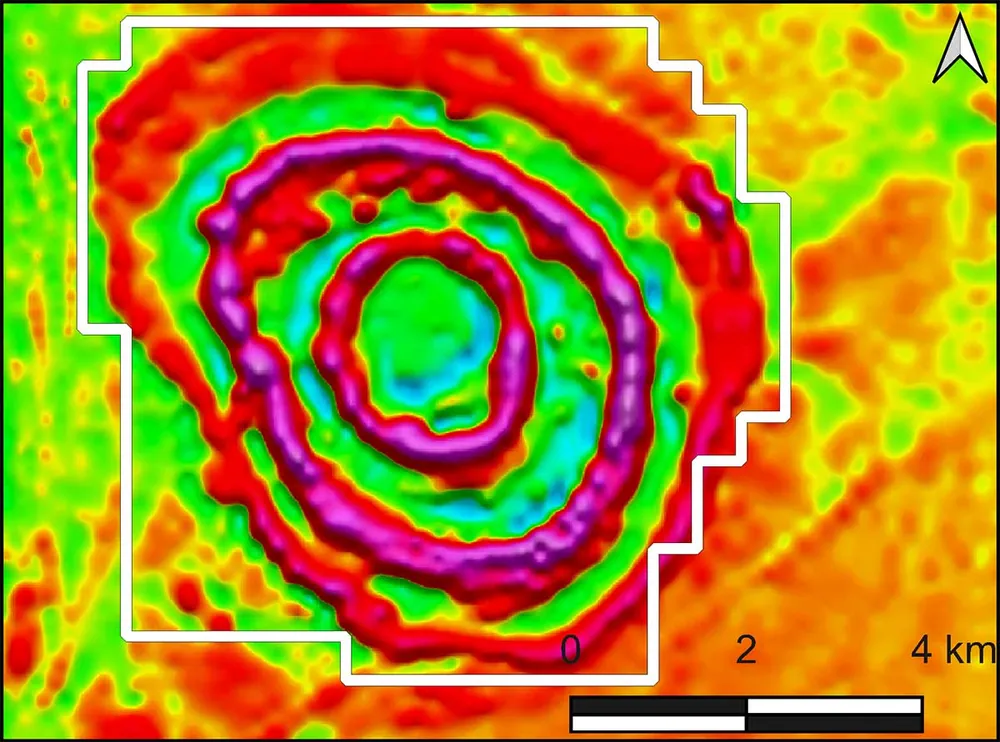
Crater Lake and Strange Lake are used as geological context only and are not necessarily indicative of mineralization at Eagle.
Continue